Rarely does the neuroscience major reflect back on the history of neuroscience as a whole and reminisce on just how far key scientists have pushed the field towards developing into what it is known as today.
Published:
Friday, 18 Nov 2022 Author:
Alexander Schafer
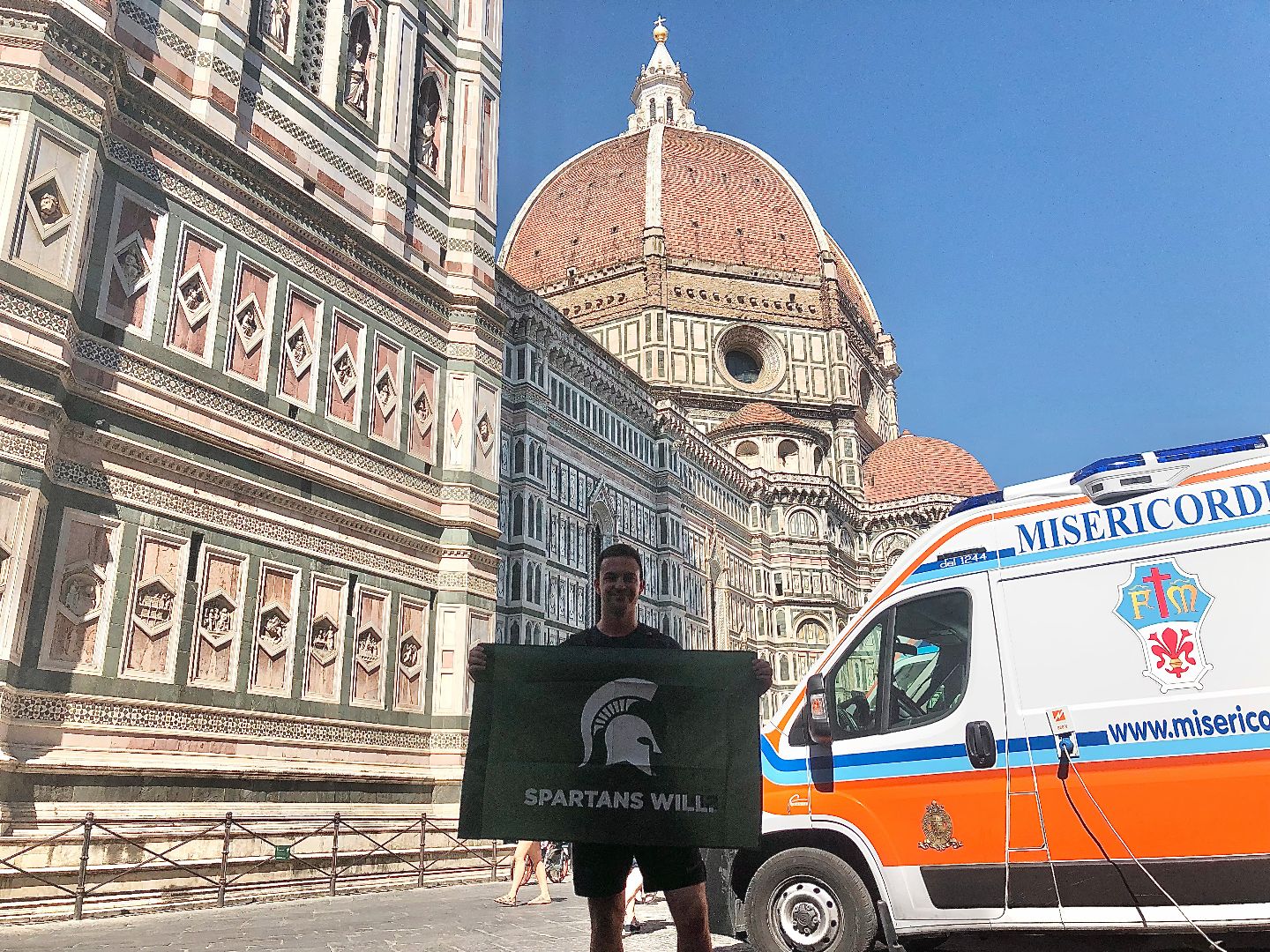
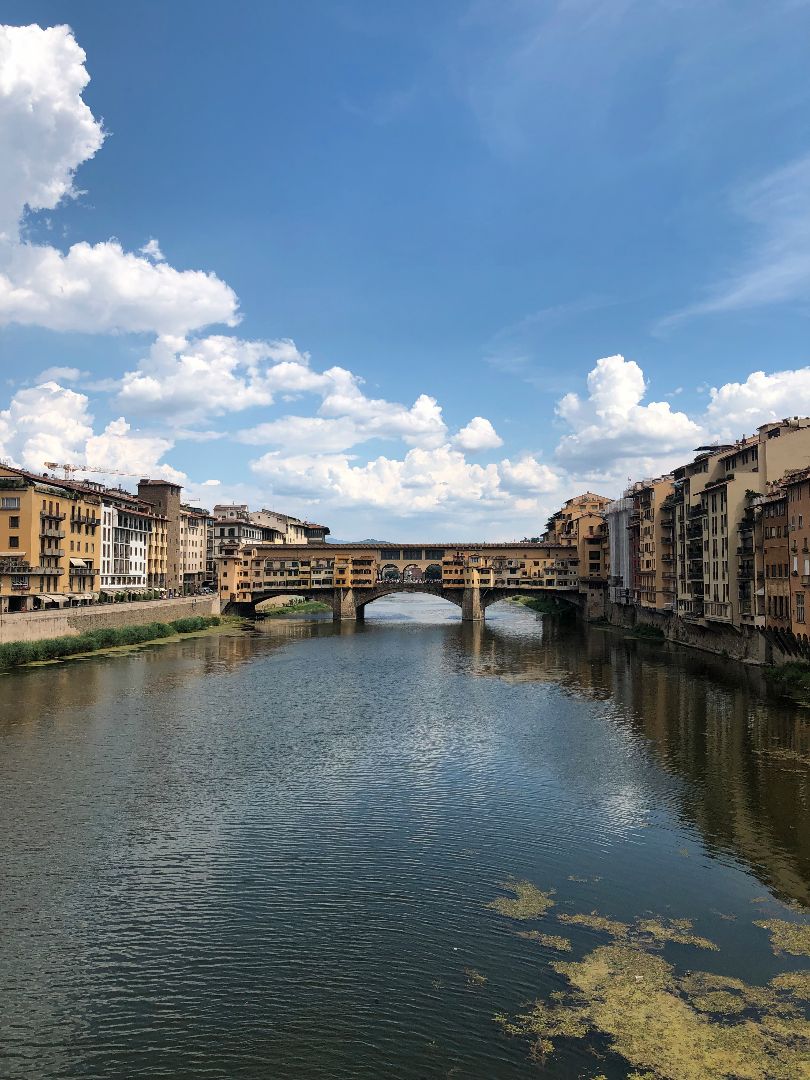
On our second weekend in Italy, many of our group members bought one day train tickets to Viareggio, a city in Northern Italy on the coast of the Tyrrhenian Sea. The temperature rose as high as 110 degrees Fahrenheit as we crowded off of the train and headed to the coast for a beach day. Spending the day swimming, playing volleyball, shopping, and eating, it was a nice break from the usually packed schedule we had arranged for us in Florence. Floating in the salt water while looking at the mountain peaks of the Italian countryside, I had a wealth of time to do some reflecting about my experiences so far. Having never traveled to Europe before, I was met with many different emotions: fear, homesickness, curiosity, excitement, awe. As I lay back down on the water with all my limbs spread out, the main emotion that continued to hit me was gratitude. I was so thankful for those who had helped me get to this moment, where I was lucky enough to be studying neuroscience and its development throughout history, a topic I loved, in a beautiful location that some people may never have the opportunity to experience. I had quickly fallen in love with Florence and its incredible food, people, architecture, and rich historical background in science. Having the realization that I would think about these memories for the rest of my life, I made a note to myself to remember the valuable perspectives and experiences I had gained from the Foundations of Neuroscience program and keep them with me as I continue my scientific journey forward. I also challenged myself to never stop exploring.
The neuroscience major at Michigan State University is a rigorous program that requires a great deal of curiosity, a clear understanding of fundamental concepts as they develop into more involved ideas, and an ability to think about what else is still unknown in the field. Rarely does the neuroscience major reflect back on the history of neuroscience as a whole and reminisce on just how far key scientists have pushed the field towards developing into what it is known as today. Although the neuroscience program is incredibly informative and holds a large depth of knowledge with its class selection, what it lacks seems to be a survey of the history of neuroscience that allows current students to see the amazing feats made my scientists over time. The Foundations of Neuroscience education abroad program was able to bridge this gap for me and helped provide a super valuable lens of neuroscience that involves the progression of scientific knowledge and efforts around neuroscience in the past. Not only has it made me more interested in neuroscience, but makes me a better scientist myself, by giving me the chance to see how past neuroscientists have thought of creative solutions to problems and revisited common knowledge of the day in order to challenge it.
The Foundations of Neuroscience program not only aided me in developing on an academic level, but also on a personal level. Having the opportunity to explore the world we live in gave me the chance to step outside of my comfort zone and be exposed to unique cultures, ways of life, and perspectives than those I hold. Although I initially knew very little Italian, I learned how to communicate over time and quickly learned how to bridge the gap between myself and other non-English speaking Italian residents. Many students believe that it’s impossible to successfully study abroad in a location if you don’t know the language perfectly, but this couldn’t be farther from the truth. With an openness to new ideas, a small number of key phrases and words, and tools such as Google Translate just in case, it’s very manageable. In most cases, it’s very easy to find individuals with the want to help, as long as you’re making the effort to speak the language in a respectful manner and a desire to learn.
As a student from a low income family, I struggled with whether this experience was a good investment of my resources, especially when paying for my education is a consistent stressor I deal with. Looking back, it easily may have been one of the best decisions I made in my undergraduate education. The scholarships I received were very generous and gave me the chance to see the world and discover a distinct aspect of neuroscience I would not have seen if not for the Foundations of Neuroscience program. I’m so grateful for the opportunity and wish each and every Spartan could have the same experience as I was fortunate enough to have.
Highlights:
Florence, Italy
Having my first croissant, espresso, fresh pasta, pizza, and gelato while in Italy
Learning basic Italian phrases and language and getting to use them in Italy
Trying foods like Lampredotto (Cow Stomach) and actually liking them
Taking a walking tour of Florence and learning about scientific advancement during the renaissance period
Visiting the Uffizi Gallery, Galileo Museum, Boboli Gardens, the David, and other sights
Performing a Calf Brain Dissection with the class after learning a lot of neuroanatomy
Group trips to Siena, Bologna, and Pisa and visiting Milan and Viareggio on the weekend
Meeting other students on study abroad programs from England, Germany, France, etc.
Taking an Italian cooking class and learning how to make fresh gnocchi, sauces, tiramisu
Watching the sunset from Piazzale Michelangelo and enjoying my last night in Florence
London, England
The most amazing English Tea at the British Museum
Watching a ton of shows on West End including Mary Poppins, Mamma Mia!, The Great Gatsby, Les Misérables, etc.
Visiting Sigmund Freud’s and Charles Darwin’s’ homes, as well as Bethlem Museum of the Mind, and the Florence Nightingale Museum
Reviewing wax figures, real samples, and anatomical drawings that were the most detailed of their time
Seeing Big Ben, Westminster Abbey, the London Eye, Buckingham Palace, and the Changing of the Guard
Going punting on the Pitt River in Oxford
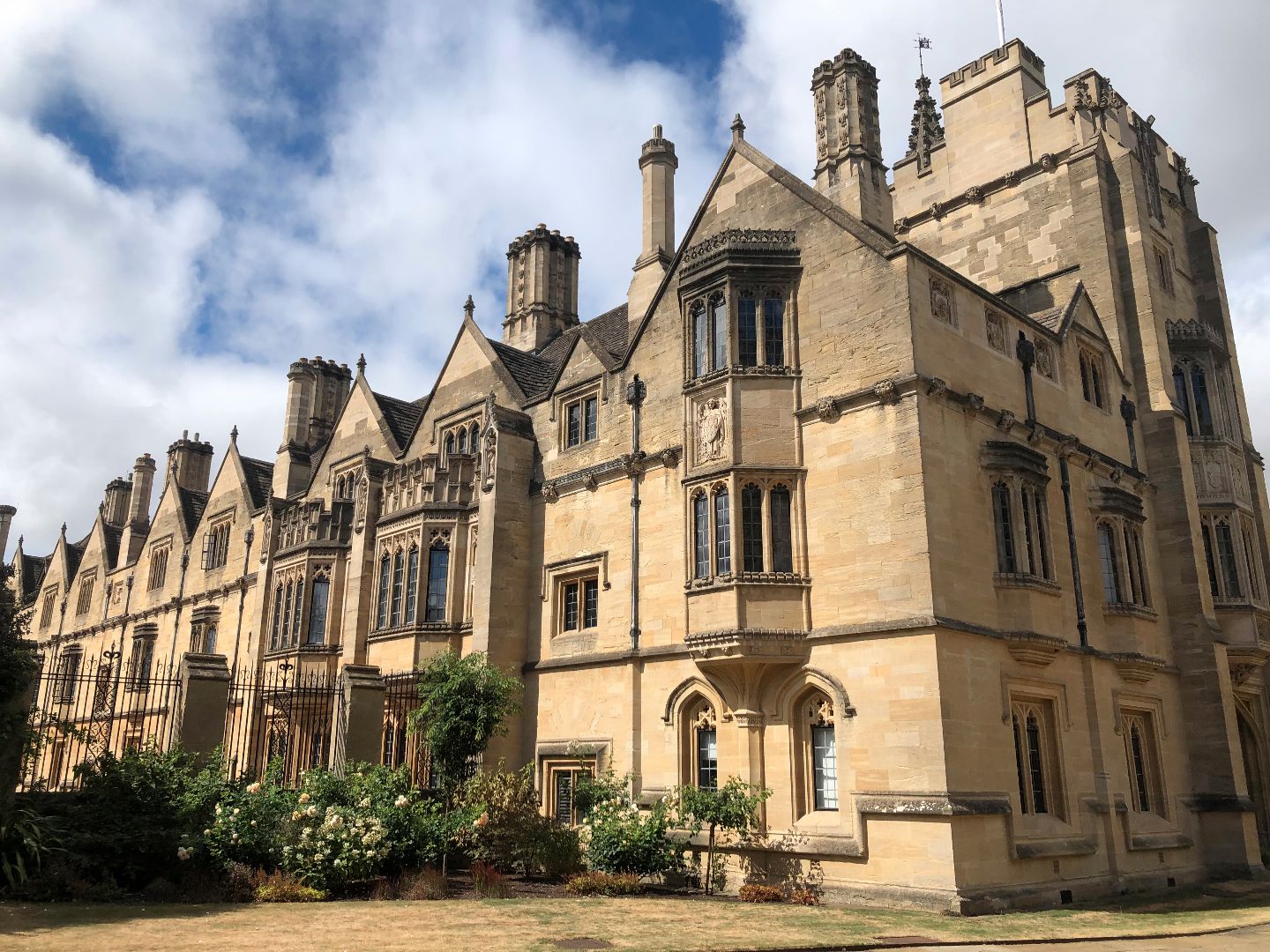
Visiting Magdalen College, Oxford Castle/Prison System, Oxford Botanical Gardens, etc.
Seeing Oxford’s amusing architecture, which reminded me fondly of Florence
Name: Alexander Schafer
Status: Senior
Major: Neuroscience
Hometown: Novi, Michigan
Program: Foundations of Neuroscience in Italy and the UK